
Website Builder -v- Hiring a Web Designer

Feb 2023

Compare the pros and cons of using a website builder versus hiring a professional web designer and discuss the best option for different types of businesses.

INTRODUCTION

Explanation

The topic of this post is the comparison between using a website builder and hiring a professional web designer for creating a website. Website builders have become increasingly popular in recent years, offering an easy and affordable way for individuals and businesses to create their own website. However, hiring a professional web designer can also bring many benefits, such as custom design and expert knowledge. The purpose of this post is to help individuals and businesses understand the pros and cons of each option and make an informed decision about which option is best for them.

Purpose

The purpose of the post is to educate individuals and businesses about the options available for creating a website and help them make a decision about which option is best for them. This post will provide a detailed comparison between using a website builder and hiring a professional web designer, including an overview of the benefits and drawbacks of each option.

Overview of Pros & Cons of Each Option

Using a website builder can be a quick, easy, and affordable way to create a website. Some of the benefits of using a website builder include lower cost, user-friendly interface, no technical skills required, easy customization, and quick turnaround time. However, there are also drawbacks to using a website builder, such as limited design options, lower security, and less control over the website.

On the other hand, hiring a professional web designer can bring many benefits, such as custom design, expert knowledge and experience, tailored to specific business needs, better user experience, and long-term sustainability. Some of the drawbacks of hiring a web designer include higher cost, longer turnaround time, and the need for ongoing maintenance and updates.

This post will delve into each of these pros and cons in more detail and help individuals and businesses make an informed decision about which option is best for them.

THE BENEFITS OF USING A WEBSITE/PAGE BUILDER

Lower Cost

One of the biggest advantages of using a website builder is the lower cost. Compared to hiring a professional web designer, using a website builder is usually much more affordable. Many website builders offer free plans or low-cost monthly subscriptions, making it accessible for individuals and small businesses with limited budgets.

User-Friendly Interface

Another benefit of using a website builder is the user-friendly interface. Website builders are designed to be easy to use, even for individuals with no technical skills or experience in web design. The drag-and-drop interface makes it easy to add and customise content, and the user-friendly interface makes it simple to manage the website and make changes as needed.

No Tech Skills Required

Using a website builder eliminates the need for technical skills or experience in web design. This means that individuals and small businesses can create and manage their own website without the need for professional help. This can save time and money and also provide more control and flexibility over the website. Having said that, the learning curve can be steep!

Easy Customisation

Website builders offer a range of customizable templates and features that make it easy to create a unique and professional-looking website. Users can choose from a variety of templates and customize them to suit their needs, including adding their own logo, images, and content.

Quick Turnaround (maybe)

Finally, using a website builder can result in a quick turnaround time. Since the process is straightforward and user-friendly, users can create and launch their website in a matter of hours or days, depending on the complexity of the website. This is a significant advantage for individuals and small businesses who need to get their website up and running quickly. Of course, this is true if the individual breezes through the build with no frustrations!

BENEFITS OF HIRING A WEB DESIGNER

Custom Design

One of the biggest benefits of hiring a web designer is the ability to get a custom design for your website. Web designers have the skills and experience to create a unique and professional design that fits your brand and meets your specific needs. A custom design can help you stand out from your competitors and create a memorable and trustworthy online presence.

Expert Knowledge & Experience

Another benefit of hiring a web designer is the expertise and experience that they bring to the table. Web designers have a deep understanding of web design principles, user experience design, and web development best practices. This expertise can help you create a website that not only looks great but also functions smoothly and is easy for your visitors to use.

Tailored to Specific Business Needs

A professional web designer can work closely with you to understand your specific business needs and create a website that meets those needs. This can include designing custom features, such as e-commerce integration, appointment booking systems, or custom contact forms, to help you achieve your goals. A website that is tailored to your specific business needs can provide a better user experience for your visitors and can help you achieve your business objectives.

Better User Experience

Hiring a web designer can result in a better user experience for your website visitors. Web designers have the skills and experience to create a website that is easy to use, visually appealing, and engaging. This can help improve your website’s usability and encourage your visitors to spend more time on your site and engage with your content.

Long Term Sustainability

Finally, hiring a web designer can help ensure the long-term sustainability of your website. Web designers can help you create a website that is scalable and can grow with your business. They can also provide ongoing support and maintenance to ensure that your website stays up-to-date and runs smoothly. This can help you avoid problems down the line and ensure that your website remains a valuable asset for your business for years to come.

BEST OPTIONS FOR DIFFERENT TYPES OF BUSINESSES

Small Businesses

For small businesses, using a website builder can be a cost-effective and efficient option. Website builders are typically more affordable than hiring a web designer, and they allow small business owners to create a website quickly and easily, without needing any technical skills. However, the design options may be limited with a website builder, and the website may not be fully customizable. In these cases, it may be worth considering hiring a web designer to create a custom website that meets the specific needs of the small business.

E-Commerce Businesses

For e-commerce businesses, hiring a web designer is often the better option. An e-commerce website requires a high level of customisation and specific features, such as a secure checkout process, product management system, and inventory tracking. A web designer can create a custom website that is tailored to the needs of the e-commerce business, ensuring a smooth and seamless customer experience. E-commerce or shop setups are better left to experienced web designers.

Personal Portfolios or Blogs

For personal portfolios or blogs, using a website builder can be a good option. Website builders are easy to use and allow individuals to quickly create a simple and attractive website to showcase their portfolio or blog. However, for individuals who want a more custom and professional website, hiring a web designer can be a better option. A web designer can create a custom website that is tailored to the individual’s needs and provides a professional and polished online presence. Once the website is set up, the handover would include training the client on how to post their blogs or update their portfolio.

Larger Corporations

For larger corporations, hiring a web designer is typically the better option. Larger corporations often have complex and specific needs for their website, and a website builder may not be able to meet those needs. A web designer can create a custom website that is tailored to the specific needs of the corporation and provides a professional and polished online presence that reflects the size and prestige of the corporation. Additionally, larger corporations may require ongoing support and maintenance, which a web designer can provide.

CONCLUSION

Summary of the pros and cons of each option: In this post, we’ve explored the benefits of using a website builder versus hiring a web designer. Website builders are typically lower in cost, user-friendly, and don’t require any technical skills. They also offer easy customization and a quick turnaround time. However, website builders may not offer the same level of custom design or expert knowledge and experience as a web designer. Hiring a web designer offers custom design, expert knowledge and experience, and a tailored solution that meets the specific needs of the business. However, it can be more expensive and time-consuming compared to using a website builder.

Final thoughts on the best option for different types of businesses: Ultimately, the best option will depend on the specific needs and budget of each business. For small businesses and personal portfolios or blogs, using a website builder can be a cost-effective and efficient solution. However, for e-commerce businesses and larger corporations, hiring a web designer may be the better option, providing a custom and tailored solution that meets the specific needs of the business.

Encouragement to consider both options before making a decision: Before making a decision on which option to choose, it’s important to carefully consider the specific needs and budget of the business. Both website builders and web designers have their own set of benefits and drawbacks, and it’s essential to weigh these pros and cons before making a decision. By considering both options and their respective benefits, businesses can make an informed decision that will provide the best solution for their needs.
WHAT’S IN THIS GUIDE?

1.  Introduction

A. Importance of a brand style guide

B. Benefits of having a consistent brand identity


2. What is a Brand Style Guide?

A. Definition and purpose

B. Components of a brand style guide

(i) Logo usage and variations

(ii) Colour palette and usage

(iii) Typography and font guidelines

(iv) Imagery and photography style

(v) Tone of voice and messaging


3. Why You Need a Brand Style Guide

A. Consistency across all brand touchpoints

B. Streamlining the design process

C. Enhancing brand recognition and memorability


4. Creating Your Brand Style Guide

A. Research and define your brand identity

B. Establish your brand’s visual elements

(i) Logo guidelines

(ii) Colour palette selection and usage

(iii) Typography and font choices

(iv) Image and photography style

C. Define your brand’s voice and tone

D. Documenting guidelines and specifications


5. Implementing and Maintaining Your Brand Style Guide

A. Communicating the brand style guide to stakeholders

B. Training team members and collaborators

C. Regularly reviewing and updating the brand style guide


6. Case Studies and Examples

A. Showcasing successful brand style guides

B. Highlighting the impact of consistent branding


7. Conclusion

A. Recap of the importance of a brand style guide

B. Encouragement to create your own brand style guide

Branding Style Guide

1. INTRODUCTION

Hey there, fellow design enthusiasts! Ready to dive into the wild and wonderful world of brand style guides? Hold onto your seats, because we’re about to uncover the secrets that will elevate your brand’s visual game to epic proportions.

 Now, you might be wondering, “What in the world is a brand style guide?” Well, it’s like the magical handbook that holds the key to unlocking your brand’s visual identity. It’s the master plan that ensures every visual element of your brand is dressed to impress, from logos to colours, fonts to imagery.

 But why does a brand style guide matter? Ah, great question! Picture this: You’re walking down the street, and you spot a logo on a billboard. You instantly recognise it because it’s consistent with the logo on their website, social media profiles, and even the packaging of their products. That’s the power of a brand style guide. It helps you create a visual symphony that resonates with your audience, leaving them humming your brand’s tune wherever they go.

 In this exciting journey, we’ll uncover the secrets behind a killer brand style guide and why it’s your secret weapon for building a strong and recognisable brand. We’ll arm you with the knowledge and tools to create a visual identity that turns heads and makes hearts skip a beat. No more design mishaps or haphazard

2. WHAT IS A BRAND STYLE GUIDE?


A. Definition & Purpose

 A brand style guide is like a magical compass that guides your design decisions and ensures consistency across the board. It’s your trusty sidekick that helps you maintain a cohesive visual identity, no matter where your brand pops up. From your website to social media profiles, business cards to packaging, this guide ensures that your brand oozes a consistent look that people can recognize from a mile away.


B. Components of a Brand Style Guide

 Now, let’s delve into the juicy bits—the components that make up a brand style guide. Think of them as the controllers of your brand’s visual universe, each with its own superpower.

 (i)         Logo usage and variations

Ah, the emblem of your brand—the logo. Your brand style guide will showcase different logo variations, like the full-colour version, a simplified version for small spaces, or a badass monochrome version for extra impact. This section ensures that your logo always stands tall and proud, no matter the context.

 (ii)        Colour palette and usage

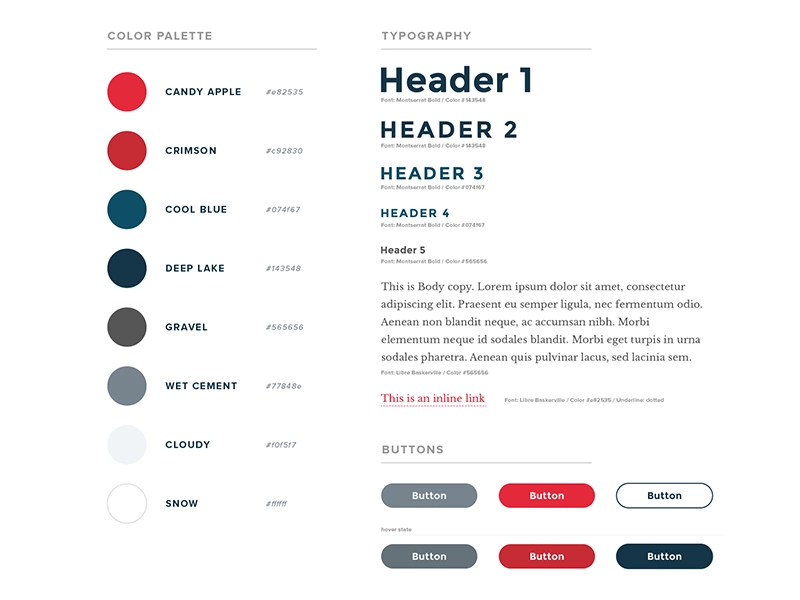
 Colours are like the spices that give your brand its unique flavour. Your brand style guide will introduce you to your official colour palette, like a box of vibrant crayons. From primary hues to subtle shades, it’ll tell you when to use each colour and how to mix them together to create eye-catching combinations. Time to paint the town (or your brand) with style!

 (iii)       Typography and font guidelines

 Fonts might seem like the nerdy sidekicks of design, but boy, do they pack a punch! Your brand style guide will introduce you to the fonts that perfectly represent your brand’s personality. Whether it’s sleek and modern, fun and quirky, or elegant and sophisticated, the fonts you’ll use will give your brand a distinct voice that speaks to your audience.

 (iv)       Imagery and photography style

 A picture is worth a thousand words, right? That’s why your brand style guide will delve into the world of visuals, guiding you on the types of images and photography styles that align with your brand. Whether it’s bold and dramatic, light and airy, or quirky and playful, these guidelines will help you curate a visual feast that resonates with your audience.

 (v)        Tone of voice and messaging

 Alright, it’s time to put your brand’s voice into words. Your brand style guide will outline the tone of voice and messaging guidelines that bring your brand to life. Whether you’re witty and humorous, professional, and informative, or warm and friendly, these guidelines will ensure that your words pack a punch and connect with your audience on a deeper level.

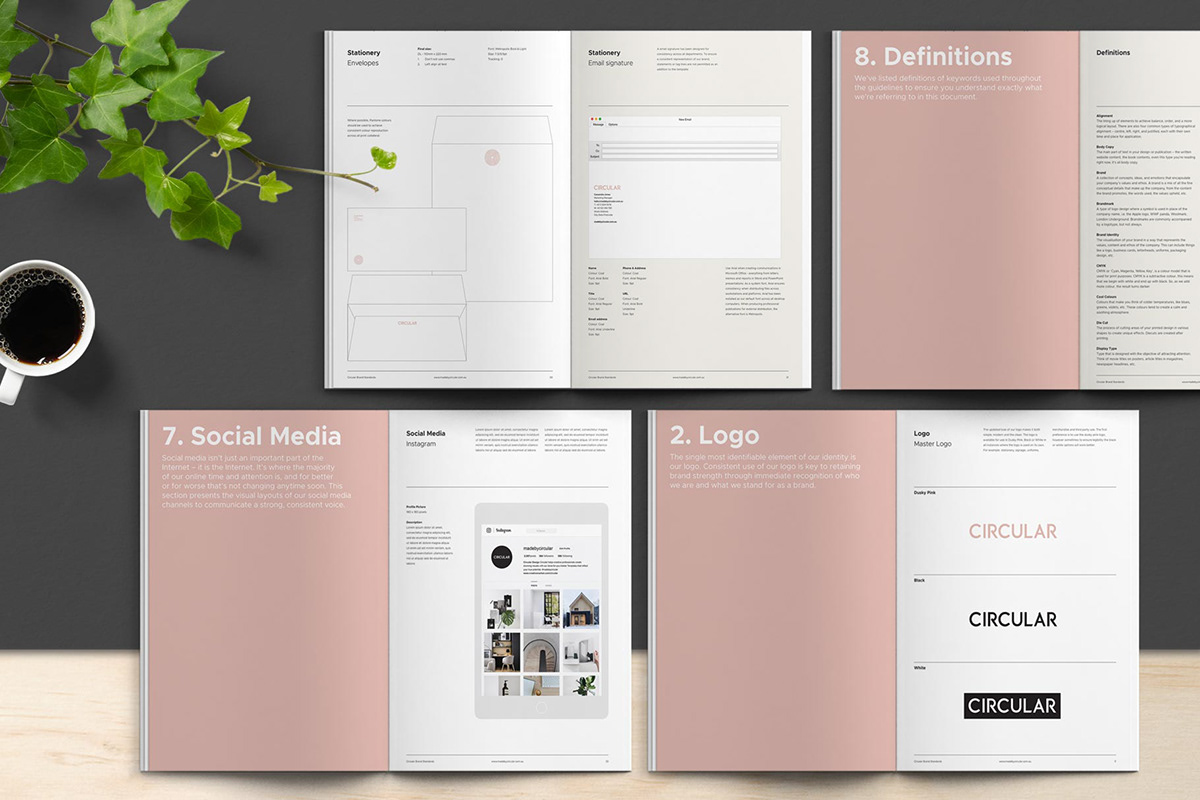
Elements of a Style Guide

3. WHY YOU NEED A BRAND STYLE GUIDE


A. Consistency across all brand touchpoints

 Imagine you’re browsing a brand’s website, and their logo pops up in all its glory—bold, vibrant, and instantly recognizable. You’re thinking, “Wow, this brand means business!” Now, you head over to their social media profiles, and guess what? The same logo greets you like an old friend, creating a seamless experience that screams professionalism. That is the power of a brand style guide. It ensures that your logo is used consistently across all touchpoints, from your website to your business cards, giving your brand an air of credibility that even the toughest critics can’t resist.


B. Streamlining the design process

 Design can sometimes feel like a circus act. But with a brand style guide, it’s like having a master to tame the chaos. Imagine you’re creating a new flyer for your brand’s upcoming event. Instead of scouring the web for hours, trying to find the right colours and fonts, you simply consult your brand style guide. It tells you which colours to use (maybe a pop of electric blue) and which fonts are on-brand (think bold and modern). Voila! You’ve just streamlined your design process and saved yourself from a circus of design disasters.


C. Enhancing brand recognition and memorability

 We live in a fast-paced world where attention spans are shorter than a squirrel on caffeine. To stand out in this crowded digital jungle, your brand needs to be memorable—like that catchy jingle you can’t get out of your head or that face you can’t forget (even if you tried).

 Enter the brand style guide, the secret weapon for enhancing your brand’s recognition and memorability. By establishing a consistent visual identity, your brand becomes instantly recognizable amidst the noise. It’s like having a signature look that people can spot from miles away, causing their brains to go, “Hey, I know that brand!” It’s the kind of recognition that gives your brand a superhero cape and makes it soar above the competition.


So, my design-savvy creators, embrace the power of a brand style guide. It’s your ticket to consistency, your secret weapon for streamlined design, and the key to unlocking a brand that sticks in people’s minds like bubble gum on a hot sidewalk.

Brand Style Guide - Yellow

4. CREATING YOUR BRAND STYLE GUIDE

A. Research and define your brand identity

Ready? Let’s start this brand style guide creation journey with some detective work. It’s time to dive deep into the heart and soul of your brand. Who are you? What makes you unique? What’s your brand’s personality? Think of it as a quest to uncover your brand’s identity, like searching for buried treasure, but with less pirate patches and more creativity.

 So, grab your magnifying glass and embark on some serious research. What is your brand’s history, values, and target audience. Then, get to know your competition and what sets you apart from the crowd. Ask yourself the big questions: Are you playful and adventurous? Elegant and sophisticated? Quirky and unconventional? This is the foundation upon which your brand style guide will be built, so get ready to unleash your brand’s inner essence!


B. Establish your brand’s visual elements

 Now that you’ve unearthed the secrets of your brand’s identity, it’s time to bring it to life visually. Think of it as a design studio extravaganza, where you’ll be curating the visual elements that’ll make your brand shine brighter than the rest in your sphere of excellence.

 (i)         Logo guidelines

 Your logo is your brand’s emblem, so let’s make sure it’s always ready to save the day. Establish guidelines for how your logo should be used and displayed. Does it have variations for different applications? Are there size restrictions or clear space requirements? Nail down the do’s and don’ts of logo usage, ensuring it looks smashing in any situation.

 (ii)        Colour palette selection and usage

 Ah, colours! They’re like the spices in a delicious brand stew. Select a palette that reflects your brand’s personality and evokes the right emotions in your audience. Are you going for bold and vibrant? Soft and serene? Determine the primary colours and any secondary and pop colours that complement them. And remember, use your colours wisely, like an artist wielding a paintbrush, to create visual harmony that makes eyes sparkle.

 In case you don’t know, I’m a lover of Canva. Check out the Canva guide to colour selection at Color names, hex codes, color schemes and tools | Canva Colors

 (iii)       Typography and font choices

 Fonts might seem like a bunch of letters, but oh boy, do they carry weight! Choose fonts that match your brand’s vibe—whether it’s modern and sleek or classic and timeless. Define headline and body text fonts, and don’t forget to set some ground rules for font sizes, styles, and spacing in your own Brand Style Guide for use on any platform and your website. Typography is like the voice of your brand, so let it sing in perfect harmony!

 (iv)       Image and photography style

 Time to strike a pose! Your brand’s image and photography style should capture the essence of your brand and resonate with your audience. Are you going for bold and edgy? Light and airy? Define the visual aesthetic that aligns with your brand, and provide guidelines for image selection, editing, and overall style. Let those visuals speak louder than words and leave a lasting impression on anyone who gazes upon them.


C. Define your brand’s voice and tone

 Now it’s time to give your brand a voice that’ll make heads turn and ears perk up. Are you going to be cheeky and humorous? Professional and informative? Warm and friendly? Define your brand’s tone of voice and the kind of language you’ll use to communicate with your audience. Are you the life of the party or the wise sage? Whatever it may be, let your brand’s voice be heard loud and clear!


D.Documenting guidelines and specifications

 Finally, we need to create the holy grail of brand style guides—a document that houses all these guidelines and specifications. This will be your brand’s sacred text, the blueprint that ensures everyone in your team is on the same page.

 (i)         Clear and Concise Instructions: Think of yourself as the boss of brand guidelines, imparting wisdom to your team. Write clear, straightforward instructions that leave no room for confusion. Explain each element, such as logo usage, colour palette, typography, and image styles, in a way that even a five-year-old would understand. Avoid mystical jargon or convoluted sentences that make people scratch their heads.

(ii)        Visual Examples: Ah, pictures speak louder than words, don’t they? Show off your brand’s visual prowess by including plenty of visual examples. Take snapshots of your logo in different contexts, display your colour palette in action, showcase typography choices, and present examples of how your imagery and photography should look. These visual goodies will help your team visualise and internalise the brand’s visual language.

(iii)       Dos and Don’ts: Time to lay down the law, boss. Provide a clear list of dos and don’ts for each element of your brand’s visual identity. Show them the right path, like a wise old sage guiding wanderers through a mystical forest. For example, demonstrate how the logo should and shouldn’t be scaled or positioned. Outline the proper and improper use of colours, fonts, and imagery. Set the boundaries that will keep your brand’s visual universe intact.

(iv)       Specifications and Technical Details: It’s time to get technical!  Provide specifications for your visual elements, such as minimum logo size, colour codes and hex values, font sizes, and image resolution requirements. This nitty-gritty information ensures that your brand maintains its visual integrity across various platforms and mediums.

(v)        Accessibility Considerations: Ah, inclusivity is the name of the game! Don’t forget to include accessibility guidelines in your brand style guide. Explain how to create accessible designs, such as using proper colour contrast for readability, selecting inclusive fonts, and considering visual elements for those with visual impairments. Let your brand be a shining beacon of inclusivity.

 Remember, your brand style guide is your team’s holy grail, their go-to resource for all things visual. Make it user-friendly, engaging, and comprehensive. Keep it alive by regularly updating it as your brand evolves and grows. And most importantly, treat it with the respect it deserves, for it holds the key to keeping your brand visually consistent and remarkable.


So, my fellow documentarians, go and create the brand style guide of legends! May it be a beacon of visual inspiration, a compass that leads your team to design greatness, and a guardian of your brand’s visual identity.

5. IMPLEMENTING & MAINTAINING YOUR BRAND STYLE GUIDE

Now that you’ve done the groundwork and created a spectacular brand style guide, we must ask “what good is a guide if it’s left gathering dust on a shelf?” It’s time to unleash the power of your brand style guide and ensure it becomes a living, breathing part of your brand’s DNA. Therefore, next in this exciting realm of brand style guides is implementing and maintaining your guide – where your brand dreams become reality.


A. Communicating the brand style guide to stakeholders

 Imagine you’re a master illusionist, about to unveil your greatest trick. It’s time to grab that magical wand and cast a spell of communication. Start by sharing your brand style guide with all relevant stakeholders. From your team members to external collaborators, let them in on the secret sauce that makes your brand sizzle.

 Craft an engaging and informative communication plan. Send out an email, host a captivating presentation, or create an animated video that showcases the importance of the brand style guide. Explain its purpose, highlight key elements, and emphasize the value of consistency. Make it a celebration, complete with confetti cannons and party hats. Let everyone know that the brand style guide is the key to creating visual magic together.

B. Training team members and collaborators

 Now it’s time to gather your troops and equip them with the knowledge to wield the power of your brand style guide. Think of yourself as a wise leader, guiding your team towards design enlightenment. Organise training sessions, workshops, or one-on-one coaching to ensure everyone understands the ins and outs of the guide.

 Take them on an adventure, show them how to apply the visual elements, use the approved fonts, and create designs that align with the brand’s voice and tone. Share examples, encourage questions, and foster a collaborative environment where creativity and consistency go hand in hand.

 But remember, training isn’t a one-time event. Like a martial arts dojo, ongoing reinforcement is key. Schedule refresher sessions, share design tips and tricks, and keep the lines of communication open. Your team members are the guardians of your brand’s visual identity, and with the right training, they’ll wield their design skills like fearless warriors.

C. Regularly reviewing and updating the brand style guide

 Ah, the world of design is ever evolving. Trends come and go like waves crashing on the shore. That’s why it’s essential to keep your brand style guide up to date, like a well-curated library of design wisdom.

 Schedule regular reviews to ensure your guide remains relevant and aligned with your brand’s vision. Invite your team members and stakeholders to provide feedback, share new insights, and suggest updates. Keep an eye on emerging design trends, technological advancements, and changes in your target audience’s preferences. Embrace brand evolution and adapt your guide accordingly.

 But remember, don’t go overboard like a kid in a candy store. Maintain a balance between staying current and preserving the core elements of your brand’s identity. Think of it as a dance, where you gracefully twirl with the rhythm of change while staying true to your brand’s essence.

So, branding masters, go and unleash the power of your brand style guide. Communicate it with passion, train your team with zeal, and keep it alive through regular reviews and updates.

6. CASE STUDIES AND EXAMPLES

Way back in the section “Creating your Brand Style Guide”, one of your important tasks was to check out your competitors and see how they promote themselves across all platforms. As you embark on this, you’ll find a treasure trove of inspiration and proof that consistent branding can work wonders. Get ready to embark on a journey where success stories unfold and the power of visual consistency shines like a beacon in the night.


A. Showcasing successful brand style guides

 Imagine yourself as a curator of the world’s finest art gallery, showcasing the masterpieces of brand style guides. Gather a collection of successful case studies that demonstrate the power and impact of well-executed brand guidelines. And to get you started, we’ve given you a few links below to see what other masters do.

 Highlight brands that have truly nailed their visual identity and showcase their style guides like prized exhibits. Explore how they’ve established a cohesive brand presence, from their logo usage and colour palettes to their typography and imagery choices. Unveil the secrets behind their success and let their stories inspire your own brand journey.

If you can, include before-and-after snapshots to showcase the transformation achieved through effective brand guidelines. Show the world how brands have evolved from a mishmash of visuals to a harmonious symphony of design elements. Allow these case studies to serve as inspiration, guiding your own brand towards greatness.


B. Highlighting the impact of consistent branding

 Ah, the power of consistency! It’s like the secret ingredient in a perfectly baked cake—a game-changer that takes your brand from ordinary to extraordinary. Now, let’s shed light on the impact of consistent branding and make it sparkle like a firework on the Fourth of July.

 Highlight success stories where brands have stayed true to their visual identity across various touchpoints. Show how their consistent use of logos, colours, typography, and imagery have created a seamless and memorable brand experience. From their website to social media profiles, packaging, and even offline advertising, reveal the magic that happens when a brand’s visual elements are in perfect harmony.

 Share real-world examples where brands have captured the hearts and minds of their target audience through visual consistency. Showcasing the power of a well-executed brand style guide, demonstrate how it builds trust, boosts brand recognition, and sets brands apart from their competitors.

Let these examples be a guiding light, illuminating the path towards visual greatness. Inspire your team and stakeholders with stories that prove the value of consistent branding, and watch as they become true believers in the transformative power of visual cohesion.


Here are some examples of websites that showcase effective brand style guides:

 Nike – Nike’s brand style guide is a fantastic example of how to define a brand’s visual elements. Their guide includes detailed instructions on logo usage, colour palette, typography, and even photography styles. You can explore their brand guidelines at https://www.nike.com/w/brand-3415.

Mailchimp – Mailchimp’s brand style guide is a masterclass in defining a brand’s voice and tone. They provide examples and guidelines for writing in their unique, friendly, and conversational tone. Take a peek at their guide at https://styleguide.mailchimp.com/.

Google Material Design – Google’s Material Design guidelines are a great resource for understanding how to create a cohesive design language. Their guide covers everything from colour palettes and typography to layout principles and iconography. Explore their design guidelines at https://material.io/design.

 Trello – Trello’s brand style guide is an excellent example of how to create a comprehensive visual identity. They showcase their logo usage guidelines, colour palette, typography choices, and provide examples of their brand in action. Check out their style guide at https://brand.trello.com/ | The How and Why Behind Trello’s Visual Brand Guide

NASA – NASA’s brand guidelines reflect their mission of exploration and discovery. Their guide covers logo usage, typography, colour palettes, and even their iconic “meatball” logo: NASA Brand Guidelines

 Uber – Uber’s brand style guide focuses on their sleek and modern visual identity. It provides guidelines for their logo, colour system, typography, and photography style: Uber Brand Guidelines

 Adobe – Adobe’s brand guidelines showcase their commitment to creativity and design. Their guide covers logo usage, colour palettes, typography, and even motion guidelines: Adobe Brand Guidelines

 Slack – Slack’s brand style guide captures their friendly and approachable tone. It includes guidelines for their logo, colour palette, typography, and illustrations: Slack Brand Guidelines

 Remember, these websites can serve as inspiration for creating your own brand style guide. They demonstrate how brands effectively define and showcase their visual elements, voice and tone, and overall brand identity. Happy exploring!


7. CONCLUSION


So dear reader, we’ve reached the grand finale of our brand style guide journey. It’s time to bring it all together and leave you with a resounding message that will echo in your creative soul. So, without further ado, let’s dive into the conclusion.


A. Recap of the importance of a brand style guide

 Throughout this wild ride, we’ve explored the depths of brand style guides and uncovered their hidden powers. We’ve seen how these magical documents can transform a brand from mere mediocrity to visual greatness. So, let’s recap why a brand style guide is the holy grail of branding:

Consistency: A brand style guide ensures that your visual identity remains consistent across all touchpoints, making your brand instantly recognizable and unforgettable.

Cohesion: It brings harmony to your design elements, from logos and colours to typography and imagery, creating a cohesive brand experience that leaves a lasting impression.

 Recognition: By following the guidelines set in your brand style guide, you build recognition and establish a strong brand presence that sets you apart from the competition.

 Memorability: A consistent and well-executed brand style guide creates a lasting imprint in the minds of your audience, making your brand memorable and fostering trust.


B. Encouragement to create your own brand style guide

 Armed with this newfound knowledge, I encourage you to embark on your own brand style guide adventure. Embrace the opportunity to craft a visual identity that captures the essence of your brand and resonates with your target audience.

 Summon your creative powers and gather your team like a mighty fellowship. Collaborate, explore, and define the visual elements that make your brand truly unique. Create guidelines for your logo usage, colour palette, typography, imagery, and even your brand’s voice and tone. Let your brand style guide become the authority that guides your design journey.

 Remember, a brand style guide is not set in stone. It’s a living document that evolves as your brand grows and adapts to changing times. Embrace the journey of refining and updating your guide, keeping it in tune with the ever-evolving design landscape.

 Now it’s time to unleash your creativity, shape your brand’s visual identity, and create a brand style guide that will set your brand on a path to greatness. May your design journey be filled with inspiration, bold choices, and a touch of whimsy. And always remember, the power of a well-crafted brand style guide lies in your hands. Happy designing!

WANT TO LEARN HOW TO DO YOUR OWN DIGITAL MARKETING?

Sometimes there is a balance between what needs to be done and the time you have available. If you happen to have the time, then enrolling in the Freedom Digital training course will set you up to be able to do everything yourself.

Why not take the free trial and see if it’s for you – it’s the best there is.

Check it out!