Web design is one essential aspect of building an online presence, whether it is for personal or business purposes. It involves the visual presentation of your business and includes the layout, colour scheme, typography, images, and other elements that define its appearance. Good web design plays a significant role in creating a professional and positive user experience and retaining visitors. People simply won’t stay on a poorly designed website.
To build a great website, either yourself, or working with a designer, it is vital to have a solid understanding of the principles of web design, which include user experience (UX), the elements of design, such as colour, typography, layout, images, icons, videos, audio, and forms, as well as an eye for good design, paying attention to visual appeal such as balance, contrast, emphasis, consistency, unity, proximity, whitespace, and alignment. Incorporating these design elements and principles into website design can help create an effective and visually appealing website.
So, let’s dive in and have a look at what makes a good website great.
CONTENT
1. Introduction
2. Understanding User Experience (UX)
3. Elements of Web Design
-
- Colour
- Typography
- Layout
- Images
- Icons
- Videos
- Audio
- Forms
4. Principles of Web Design
-
- Balance
- Contrast
- Emphasis
- Consistency
- Unity
- Proximity
- Whitespace
- Alignment
5. Conclusion
6. FAQs
1. INTRODUCTION
Creating the visual appearance of your website includes the layout, colour scheme, typography, images, and other elements that make up the look and feel of a website. Good web design is important because it helps to create a positive user experience and keep visitors on the site.
2. Understanding User Experience (UX)
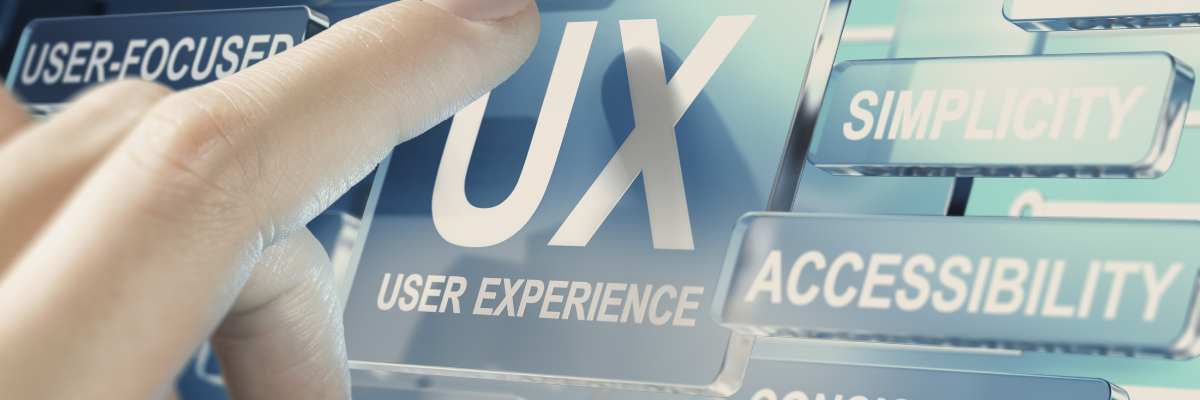
User experience (UX) is a huge component of web design. It refers to the overall experience that a user has while interacting with a website. A good user experience is essential for keeping visitors on the site and encouraging them to return. A poor experience turns them off, maybe forever.
To create a positive user experience, consider factors such as site navigation, page load times, and the overall ease of use of the site. Additionally, the site should be designed with the target audience in mind, with a focus on meeting their needs and expectations. Is it a fun site, a professional site, a portfolio site, a shop? Make it easy for your visitor to find their way around your site.
3. Elements of Web Design
Several key elements of web design that contribute to the overall look and feel of a website include:
Colour
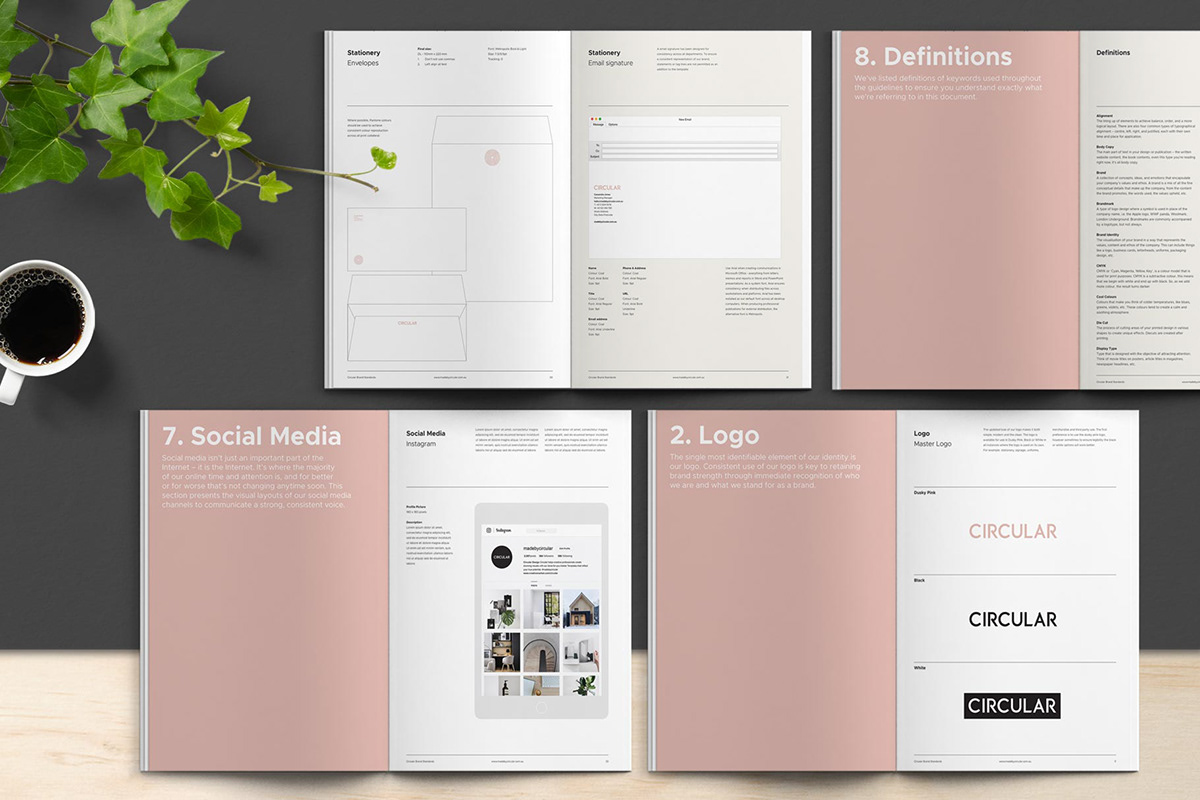
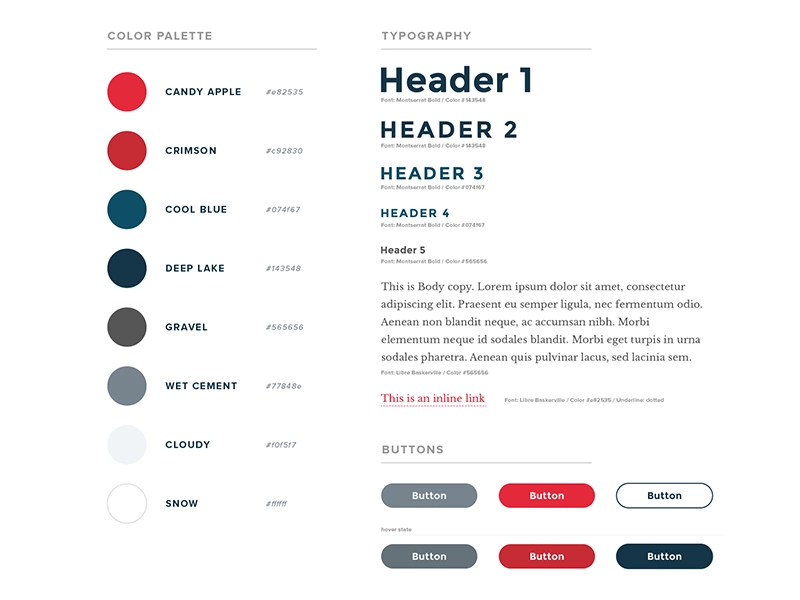
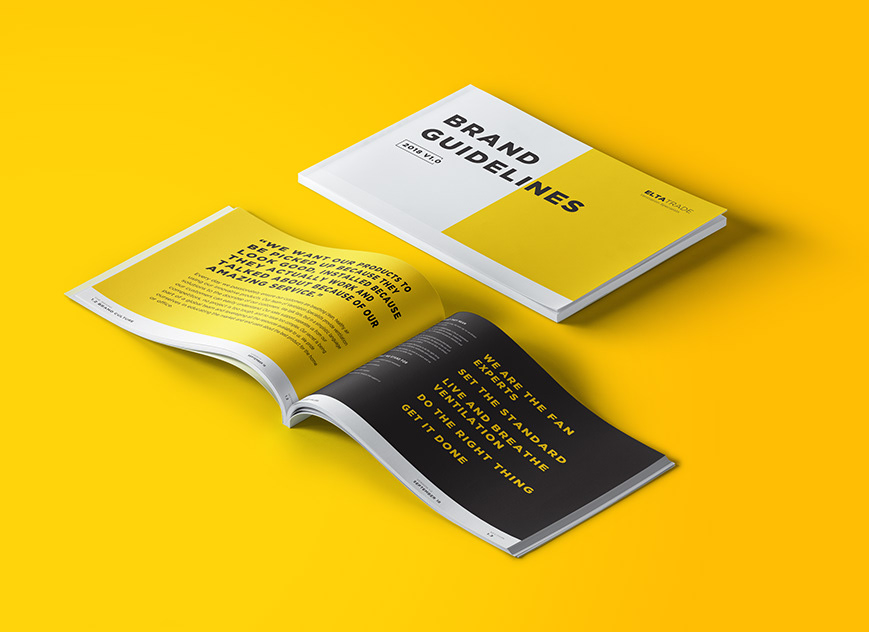
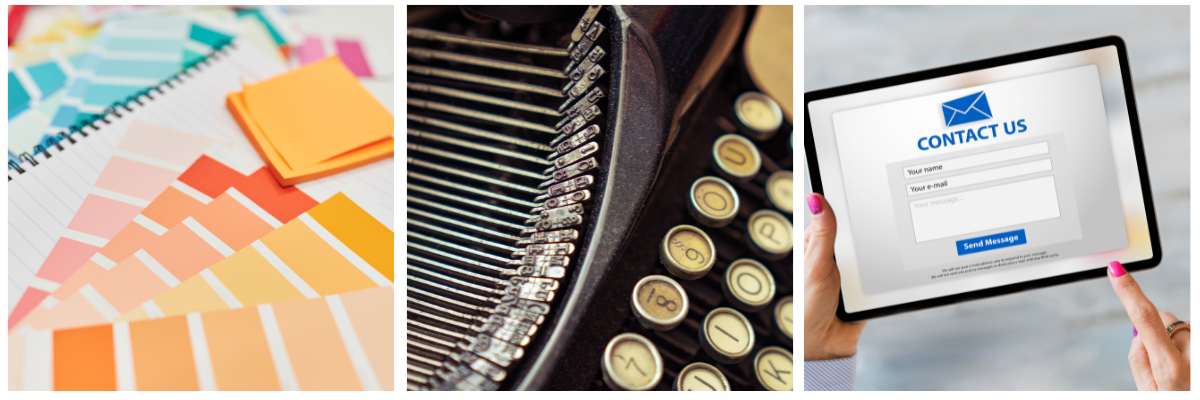
Colour is an important element of web design. It can help to establish a brand identity, create a mood or atmosphere, and make certain elements stand out. When choosing colours for a website, it’s important to consider factors such as colour psychology, colour contrast, and the overall colour scheme of the site. This is part of your branding kit, which will apply to everything you do online and offline.
Typography
Typography refers to the use of fonts and typefaces on a website. The right typography can help to create a sense of hierarchy, make important information stand out, and establish a brand identity. Wise choice of fonts considers factors such as readability, legibility, and the overall style of the site and using appropriate fonts for your audience.
Layout
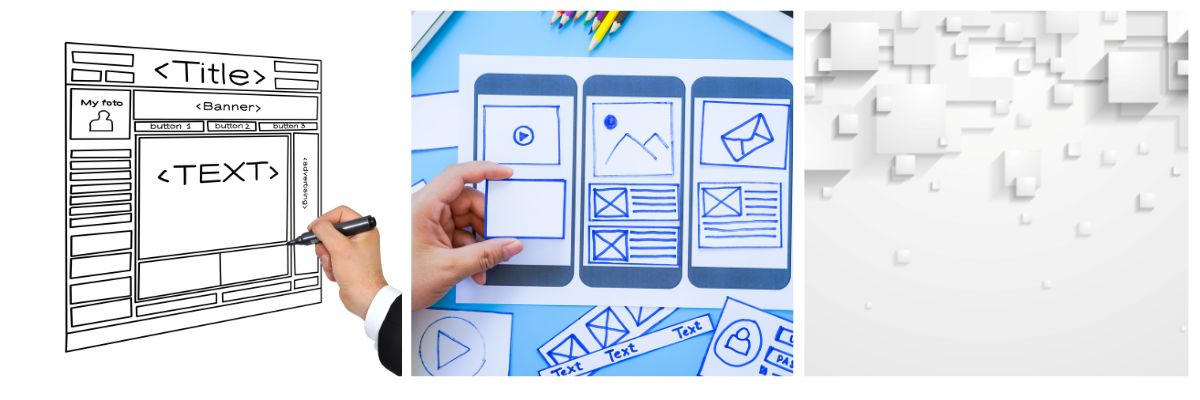
Layout refers to the way that content is arranged on a website. A good layout should be easy to navigate and visually appealing. It should also be designed with the target audience in mind, with a focus on meeting their needs and expectations.
Images
Images can help to enhance the visual appeal of a website and make certain elements stand out. It’s important to consider factors such as image resolution, file size, and the overall theme of the site. A poor quality image will ruin the overall aesthetic of your site.
Icons
Icons are small graphic elements that are used to represent various elements on a website. Relevant icons help to enhance the visual appeal of a site, are easily identifiable and make it easier to navigate. When choosing icons for your website consider factors such as the size, style, and overall theme of the site.
Videos
Videos are a powerful tool for engaging visitors and conveying information. They can help to create a more dynamic user experience and make certain elements stand out. When selecting videos for your website, consider factors such as video length, file size, and the overall theme of the site. Video editing is a skill by itself and I would recommend it is specific to your business and is personal to build trust.
Audio
Audio can also be used to enhance the user experience of a website. It can help to create a mood or atmosphere and make certain elements stand out. When using audio on a website, consider factors such as the type of audio (music, sound effects, etc.), file size, and the overall theme of the site.
Forms
Forms are an important element of any website, but particularly those that require users to submit information or complete a transaction. Good form design should be easy to use and visually appealing, with clear labels and instructions. Forms can be on any or all pages, but should always be included on your Contact page.
4. Principles of Web Design
In addition to the elements of web design, there are also several key principles to consider when building your website. These include:
Balance
Balance refers to the way that elements are arranged on a website. A well-balanced site should have a sense of symmetry and proportion, with each element placed in a way that feels visually appealing.
Contrast
Contrast refers to the way that different elements on a website are differentiated from each other. A good use of contrast can help to make certain elements stand out and create a sense of hierarchy.
Emphasis
Emphasis refers to the way that important elements are highlighted on your website. This can be achieved using colour, typography, or other design elements.
Consistency
Consistency is important for creating a sense of coherence across a website. This can be achieved using consistent branding, layout, and design elements.
Unity
Unity refers to the way that different elements on a website work together to create a cohesive whole. A well-designed site should have a sense of unity and purpose.
Proximity
Proximity refers to the way that different elements on a website are placed in relation to each other. A good use of proximity can help to create a sense of hierarchy and make the site easier to navigate.
Whitespace
Whitespace, also known as negative space, refers to the space between different elements on a website. A good use of whitespace can help to create a sense of balance and make the site easier to read. Never be afraid to use lots of space but keep a sense of balance throughout the page. A cluttered page detracts from the overall visual appeal.
Alignment
Alignment refers to the way that different elements on a website are lined up with each other. A good use of alignment can help to create a sense of order and make the site easier to navigate.
5. Conclusion
Understanding the fundamentals of web design is essential for creating an effective online presence. By focusing on user experience, elements of design, and principles of web design, you can create a website that is both visually appealing and easy to use.
Learning the key concepts and best practices, you can create a website that is not only visually appealing but also user-friendly, accessible, and optimised for search engines. Whether you choose to design your own website or work with a professional web designer, having a solid understanding of the basics can help you make informed decisions and achieve your online goals.
6. FAQs
What is web design?
Web design involves creating the visual appearance of a website, including the layout, colour scheme, typography, and other elements that make up the look and feel of your site. Your website is usually your key online presence, along with social media and email marketing – all with a professional, cohesive feel that attracts clients, customers and provides and enjoyable and informative experience.
Why is web design important?
Good web design is important because it helps to create a positive user experience and keeps visitors on your site.
What is user experience (UX)?
User experience (UX) refers to the overall experience that a user has while interacting with a website.
What are the elements of web design?
The elements of web design include colour, typography, layout, images, icons, videos, audio, and forms.
What is the importance of having a well-designed website?
A well-designed website can make a huge difference in how your business is perceived by potential customers. It can increase your credibility, boost your online presence, and help you stand out from competitors.
How can I make my website more user-friendly?
To make your website more user-friendly, focus on creating a clean and simple layout, using easy-to-read fonts and colours, optimising your images for faster loading times, and making sure your navigation is clear and easy to use.
Should I use a template or design a custom website?
The answer to this question depends on your specific needs and budget. A template can be a good option if you have a limited budget or are just starting out but working with a designer (On Point Digital Design) to create a custom website can give you more control over the design and functionality of your site.
What should I include in my website’s homepage?
Your website’s homepage should include a clear and concise message about what your business does, a list of your services or products, your contact information, and any social proof or testimonials from satisfied customers. Even one-page websites can be just as effective as multiple pages if it is beautifully designed and easily navigated.
How often should I update my website?
It’s important to update your website regularly to keep it fresh and relevant. This can include adding new content, updating old articles, images or graphics, and making sure your site is optimised for search engines. How often you update your website will depend on your specific goals and the type of business you have.
If you have any questions or need further guidance on web design basics, don’t hesitate to reach out to me. On Point Digital Design is here to help you succeed in the online world and would be happy to assist you in any way we can.